Let's Talk About Shaq Kids
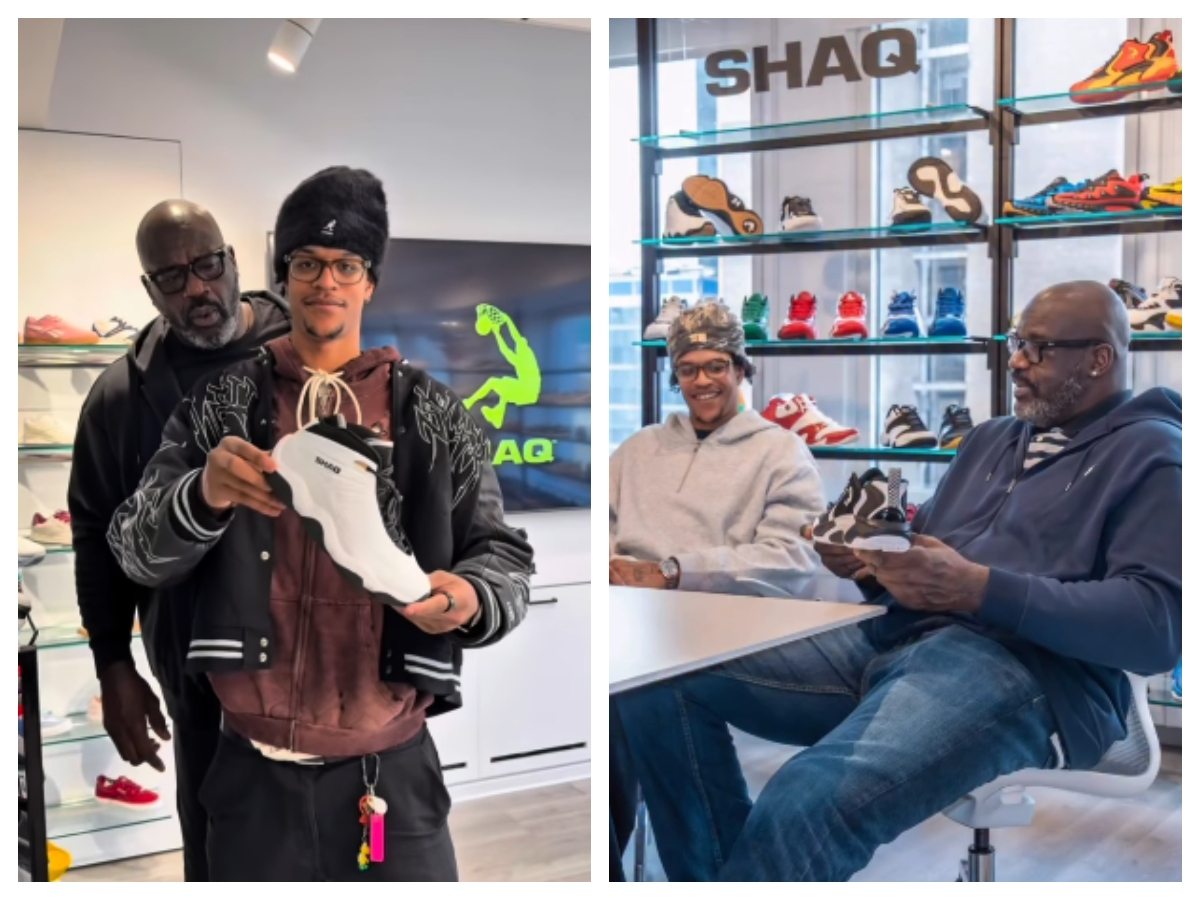
You probably saw them around. Big kids shoes with the orange and purple accents, oversized tees with Shaq's face on them, the whole thing. It wasn't some tiny startup sneaker brand that popped up overnight. This was a 40-year-old NBA Hall of Famer who had been a household name since the early nineties, and his official youth brand basically became the default uniform for a certain demographic of kids between 2006 and roughly 2018. I ran into this more often than I expected when I was working in retail. Not behind a counter, just noticing. Parents bringing in their kids, the kids pointing at the Shaq section, the same cycle repeating every weekend. There's something almost mechanical about how this brand operated once you paid attention to it.
The Shaq Kids Phenomenon How Shaquille Oneals Official Youth Brand Captured A Generation
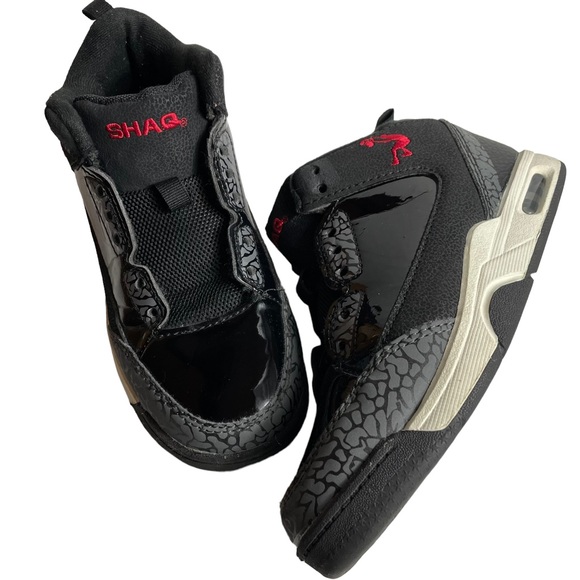
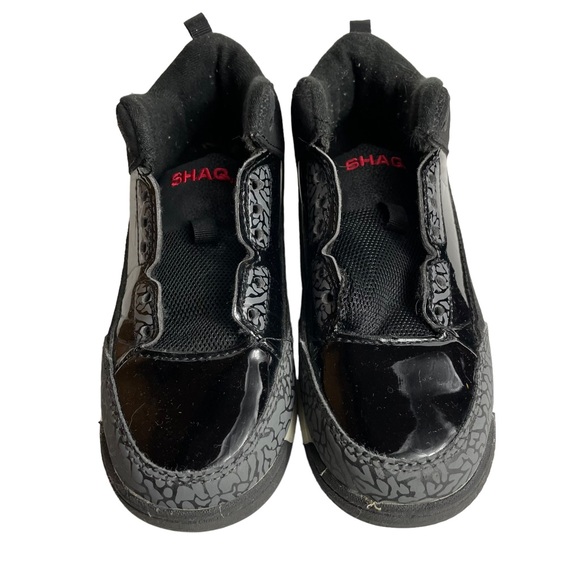
The core of it was the SHAQ by Converse collaboration that launched in 2006. That partnership gave Shaq an official signature line inside the Converse catalog — high tops, low tops, slip-ons, all with his branding attached. The brand expanded into full lifestyle apparel through licensing deals with major retailers like Walmart and Sears. You'd see it in the back of sports magazines, on endcaps at big-box stores, and yes, in actual school hallways. What made it work wasn't marketing genius. It was accessibility. The shoes retailed around $40 to $55. The t-shirts were $15 to $25. That's kid-money, not college-budget money. A kid could save up allowance and actually buy his own pair. I've watched that exact transaction play out dozens of times — the kid dragging a parent to the section, holding up the box, the look on the kid's face when the parent says yes. It's a specific kind of victory for a nine-year-old. The design philosophy was straightforward. Big graphics. Bold colors — orange, purple, black, white. Shaq's face or silhouette everywhere. The shoes were slightly bulkier than standard Converse, which actually worked in the kids' demographic because bigger-looking shoes signal "these are grown-up shoes" to children. It's a psychological trick that sneaker designers have known about for decades. You're not selling comfort first. You're selling aspiration.
There was also a video game tie-in. Shaqtus Fools! was a basketball simulation game released around 2007 that came with downloadable content tied to the apparel line. It sounds ridiculous now, but it kept the brand relevant in the gaming space for about two years. Parents who wouldn't have picked up a Shaq hoodie at the store saw it on their kid's screen and suddenly it was on the wishlist.
Get the Full Details
What Actually Made It Stick
Most celebrity kid brands die within three to five years. They launch with hype, burn through their initial audience, and get replaced by whatever's trending next. Shaq Kids lasted longer than that because of distribution. It wasn't sitting in a boutique in SoHo or a specialty sneaker store in Portland. It was at Walmart. It was at Kmart before Kmart died. It was at Target. It was everywhere a middle-class family already shopped. The licensing model was also unusual for celebrity brands of that era. Instead of Shaq personally curating every design, the brand operated through a network of licensing partners who handled production, distribution, and retail placement independently. That meant the brand could scale rapidly across product categories — shoes, shirts, backpacks, lunchboxes, hoodies, bedding — without Shaq having to approve each one individually. The tradeoff was that quality control varied significantly depending on which manufacturer was producing a given item. I learned that the hard way. A few years back, I ordered a Shaq Kids hoodie from an unauthorized third-party seller on eBay. The listing looked legitimate — official logos, correct colorways, pricing that seemed reasonable. What arrived was a polyester blend that felt like a trash bag and had the Shaq graphic peeling after one wash. The authorized version, purchased directly from a Walmart listing or the official Converse site, used a cotton-poly blend that held up fine through multiple wash cycles. The visual difference between authorized and unauthorized Shaq merch is almost always the fabric weight and print quality. If it feels thin and sounds crinkly when you rub it, it's probably not the real thing. I started checking the SKU against Converse's product database before purchasing anything online. It takes about thirty seconds and has saved me from ordering bad merchandise at least a handful of times.
There's a less obvious factor that people miss when they analyze this brand. Shaq himself was already a comedy act by the mid-2000s. His appearances on All-Star Party, his DJ career as Big Daddy Shady, his reality show Shaquille O'Neal's Superfriends — he was entertaining children whether they were watching him play basketball or not. The brand didn't need to create a persona. It inherited one that was already fully formed and actively being consumed by the target demographic. That's why you didn't see the same level of brand fatigue that affected other athlete merchandise lines. Shaq was still culturally present in kids' lives independent of the clothing.
The Downside Nobody Talks About
The brand had a real problem with resale market inflation. Because certain SHAQ by Converse colorways — particularly the original 2006 release and the limited "Purple and Gold" retro runs — had small production runs, secondary market prices escalated quickly. A pair that originally sold for $50 would show up on StockX or eBay for $150 to $300 within two years of release. That price point completely defeats the accessibility strategy that made the brand work in the first place. Kids who grew up wanting Shaq shoes as kids can't afford them as collectors. The brand essentially priced out its own customer base through scarcity mechanics that the licensing partners implemented without considering long-term brand loyalty. Another issue is the aging of the core demographic. Kids who were eight or nine when Shaq Kids launched in 2006 were teenagers by 2012 and young adults by 2016. Teenagers don't wear their childhood brands. They actively reject them. The brand's decline in the late 2010s wasn't about quality or availability — it was about the natural lifecycle of a kid-brand. The audience aged out faster than the brand could expand to capture the next generation. Newer celebrity kid brands like those tied to LeBron James or Kevin Durant faced the same problem, but they had the advantage of being marketed through basketball performance culture rather than pure lifestyle appeal, which kept them relevant longer in sneaker-head circles. If you're looking to get into this brand now, your best bet is checking the Converse archive sections and authorized retail partners for current reproductions. Avoid third-party marketplaces unless you can verify authenticity through serial numbers and authorized distributor lists. The brand is still active but operates at a much lower profile than its peak years. Production runs are smaller, releases are less frequent, and the cultural moment has passed. That doesn't make the existing inventory any less valid — it just means you're buying into a brand that's in maintenance mode rather than growth mode.